The House
A house through two wars
Mailly-Maillet sat close behind the front line on the Somme. This house was in the middle of it, in 1918 and again in the Second World War.
Documented backed by an archive source Owner research established by the owner, sources to follow
August 1915
DocumentedCommonwealth forces take over this part of the front from the French. Field ambulances and fighting units begin to use the village cemetery extension. CWGC record.
September 1916
DocumentedThe village is shelled every day. The war diary of the 1/4th Royal Berkshire Regiment (6 September 1916) describes it as “almost deserted”, with troops sheltering in cellars.
March–April 1918
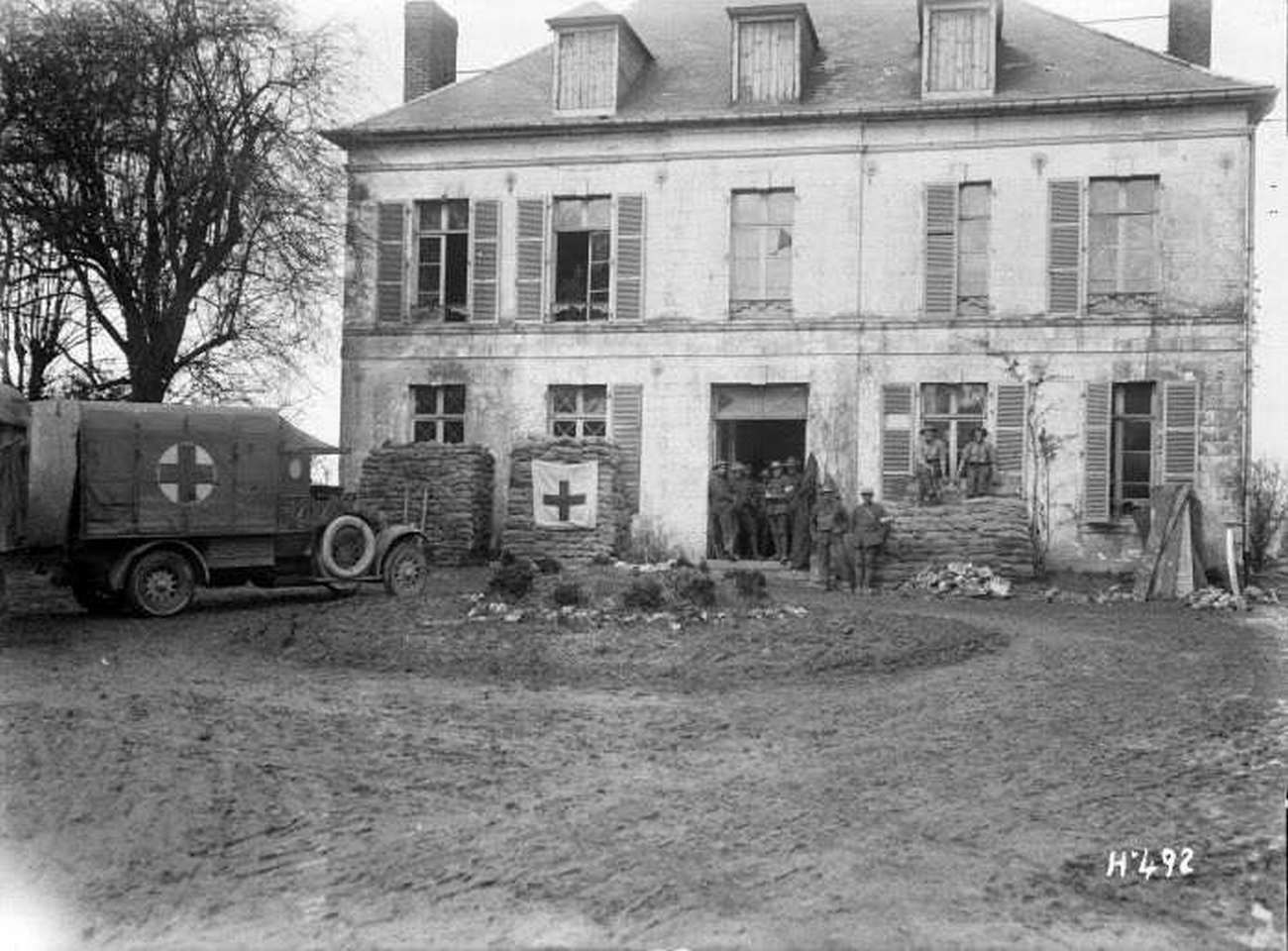
DocumentedNew Zealand troops are fighting close by, near Colincamps, from late March. On 1 April 1918 a New Zealand soldier photographs the dressing station in this house. Read the 1918 story.
March–July 1918
DocumentedField ambulances and fighting units use the village cemetery extension again. It holds 126 burials from the First World War (CWGC).
The Second World War
Owner researchGerman forces occupy the house. Drawings, poems and engraved names from this period survive inside. They are being recorded and will appear on the blog with their context, one at a time.
Today
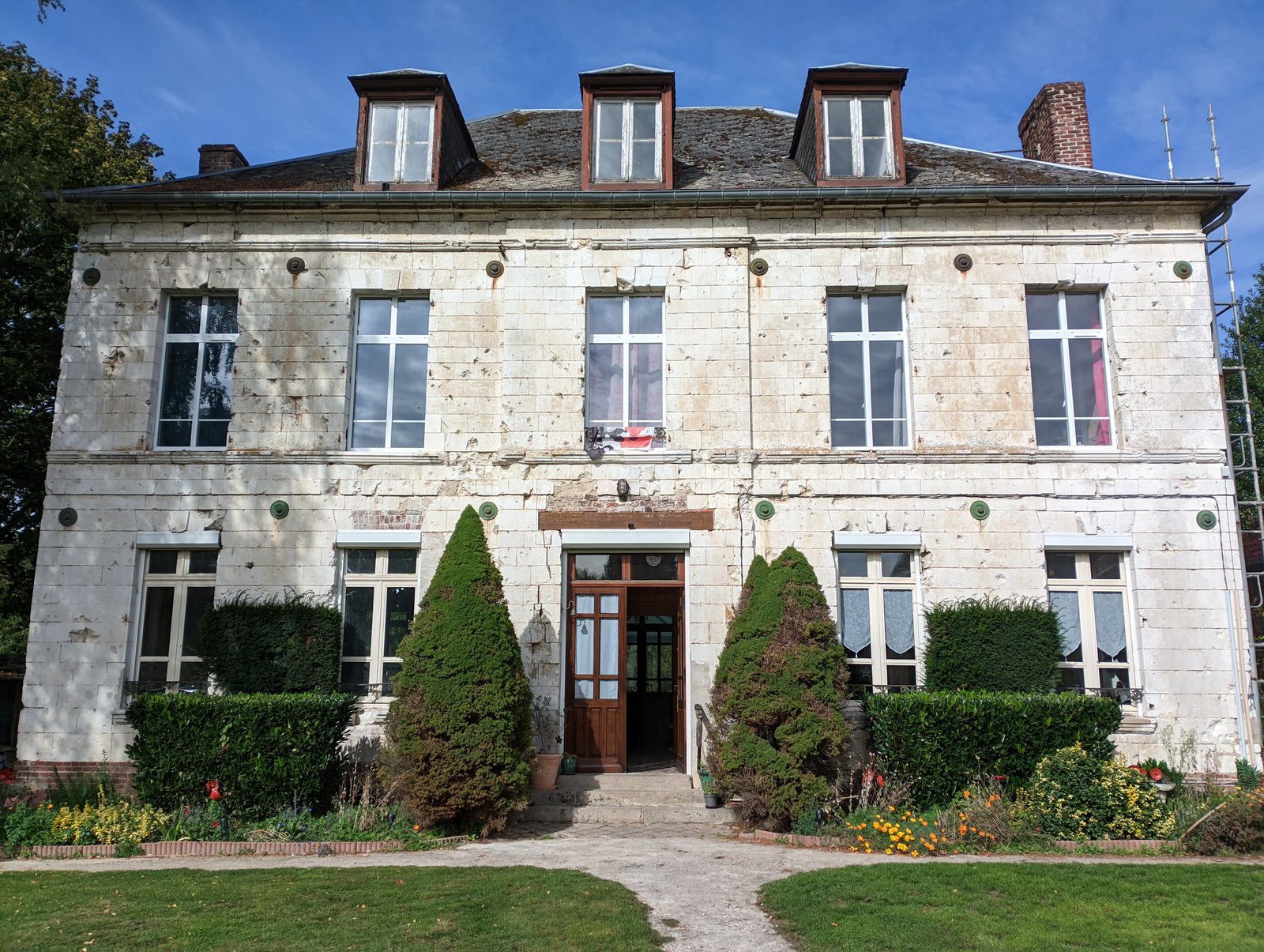
Owner researchThe house is a protected building. It is privately owned and is being cared for with that in mind. The structure is the same as in 1918. Shutters, windows and some finishes have changed.